



Infrastructure built
for what's next




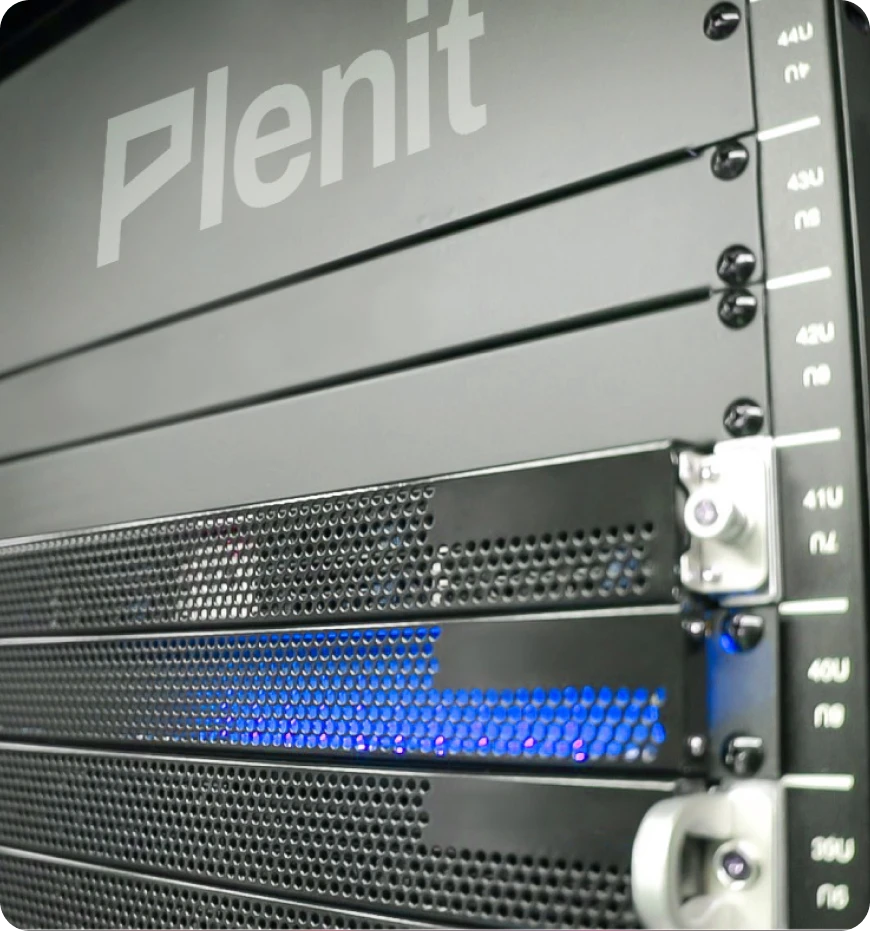

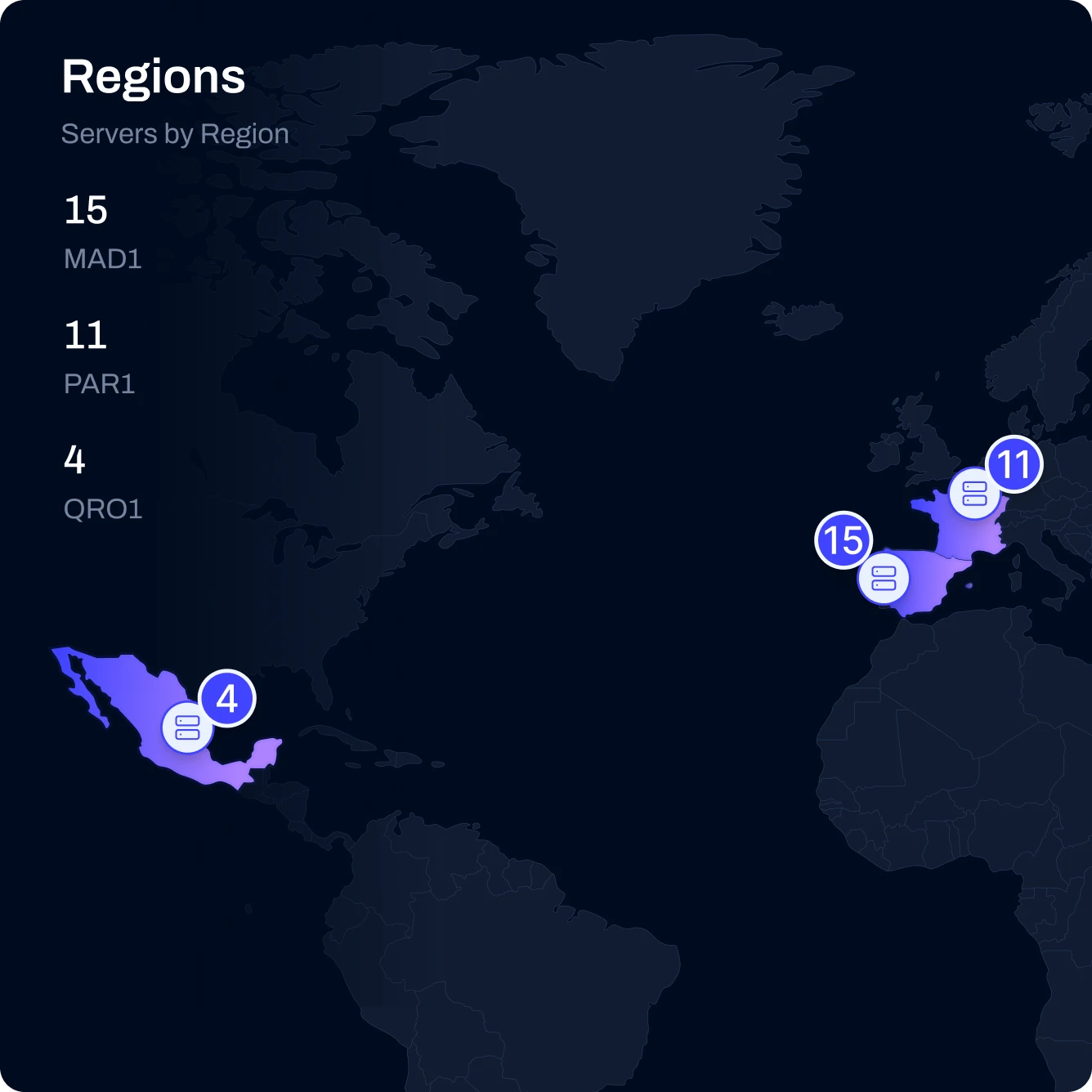
Plenit currently operates three cloud regions across Europe and the Americas: EU-MAD, EU-PAR, and AM-QRO. This regional structure gives partners greater control over workload placement and data location while providing a scalable foundation for cloud services.
Four availability zones across Paris, Madrid, and Querétaro provide an additional layer of resilience. By operating from physically separated locations, Plenit enables greater fault tolerance, strengthens service reliability, and supports uninterrupted operations.
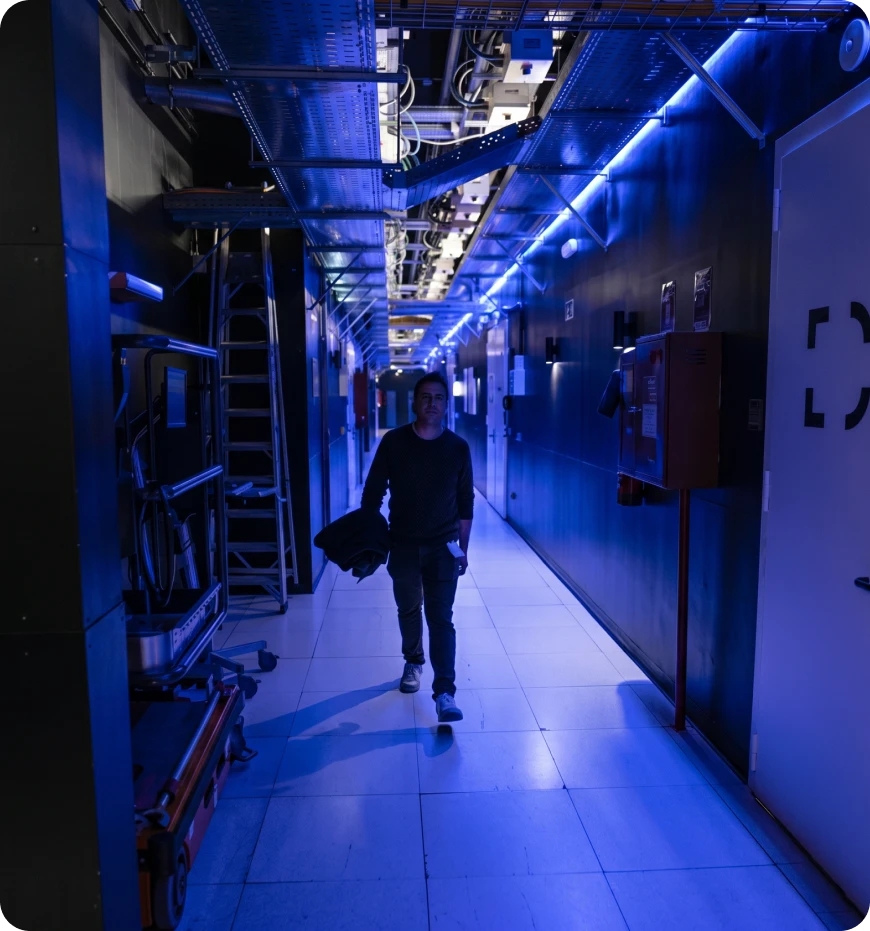
Plenit operates across nine data centers in multiple regions throughout Europe and the Americas. This distributed footprint helps reduce latency, support data residency requirements, and enhance availability, resilience, and business continuity.
Regions & Availability Zones
This design helps reduce the impact of localized incidents, enhances the resilience of critical services, and makes it easier to replicate between low-latency locations. It also allows the platform to better respond to needs related to proximity, regional service organization, and data residency, depending on the product selected and the options available in the portal.
The geographic distribution of the infrastructure also makes it possible to enable geo-redundant backup and failover, further strengthening the operational continuity of environments deployed on the platform. becomes the way we work.

Get to know our Data Centers
99,99% Availability
The data centers supporting Plenit deliver 99.99% availability for customer services, backed by partnerships with world-leading data center operators. These facilities are designed for maximum security, redundancy, and uninterrupted uptime, with 24/7/365 continuous operations.
The strength of the infrastructure does not rely on a single component. It is built on continuous operations, advanced networking, redundant power systems, and constant monitoring.

Locations
Site selection is based on strict technical and operational criteria. Proximity to partners and customers is prioritized to reduce latency and improve performance, as well as mitigating physical and environmental risks such as flooding, extreme weather events, or seismic activity.
Each availability zone is designed to be independent and physically separated, strengthening service resilience and protection against adverse events.
Madrid Region, Spain [EU-MAD]
- AZ.MAD1
- AZ.MAD2
París Region, France [EU-PAR]
- AZ.PAR1
Querétaro Region, Mexico [AM-QRO]
- AZ.QRO1
Capacity
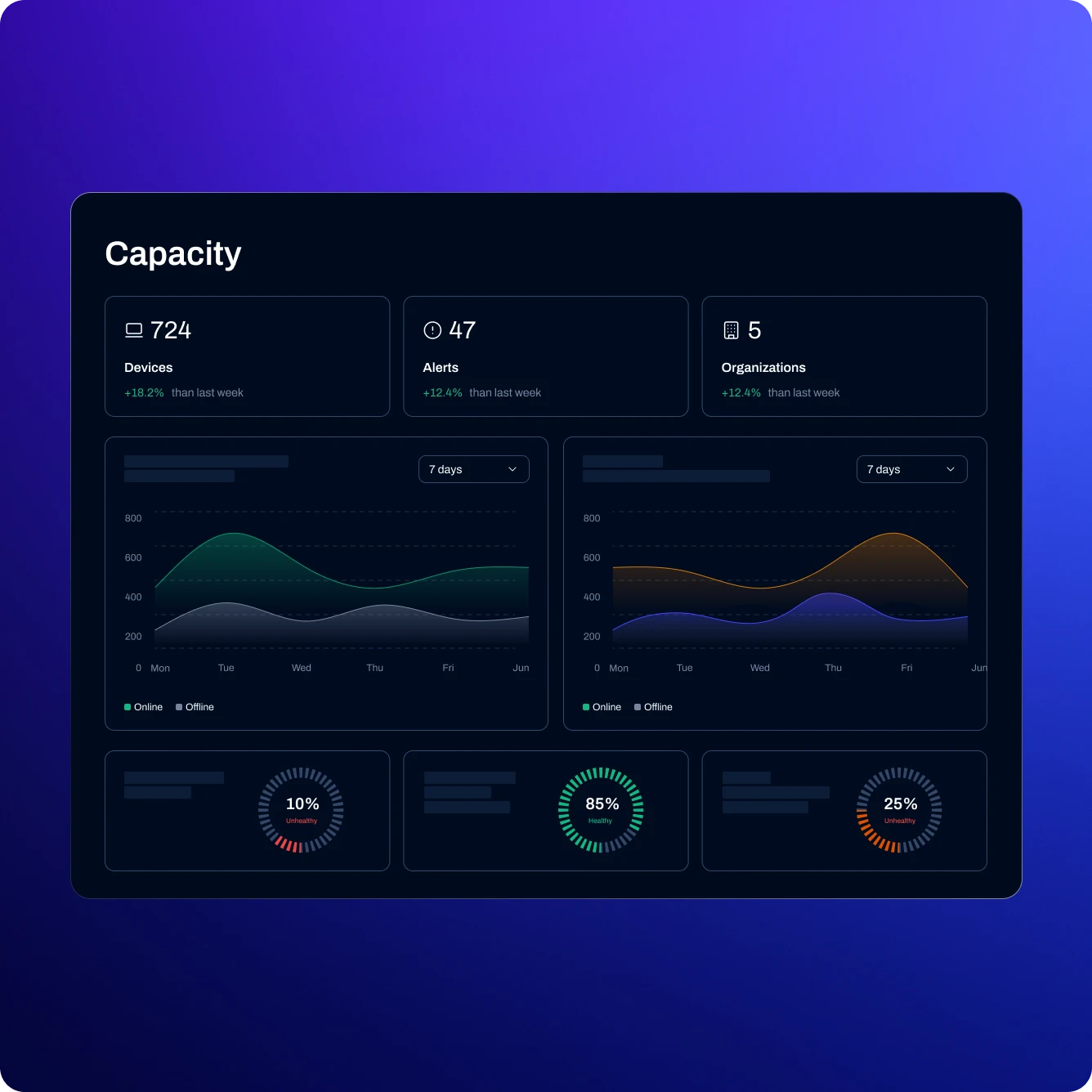
Plenit continuously monitors service usage to ensure the infrastructure meets availability commitments and user requirements. Its capacity planning model regularly evaluates infrastructure utilization and demand, with monthly reviews designed to anticipate future needs.
This approach enables proactive resource adjustments across areas such as data processing, telecommunications, and secure audit log storage. Capacity planning is a core part of the strategy to maintain performance and continuity as environments and workloads grow.
Security measures
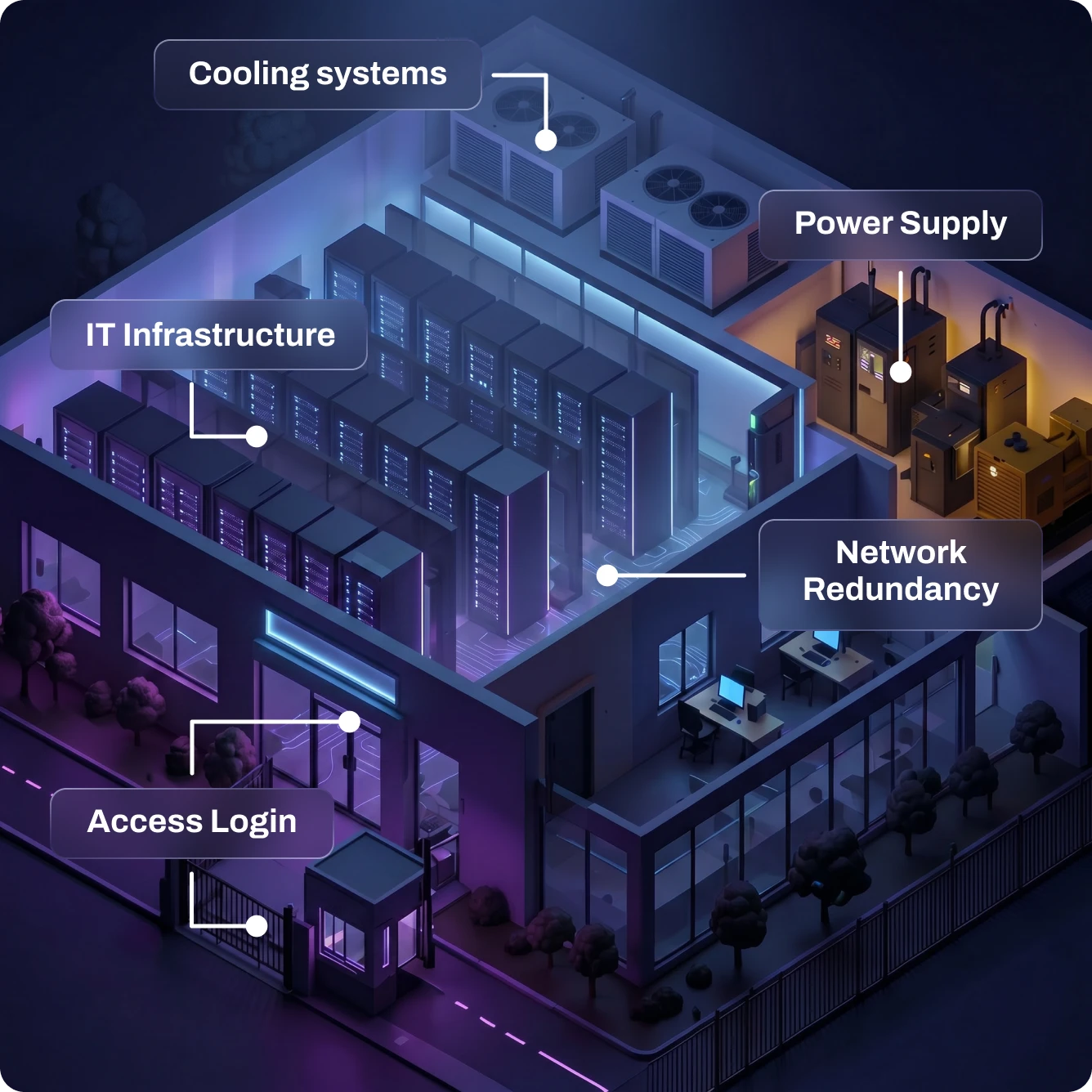
Plenit relies on data centers built with strict security and resilience standards to protect critical infrastructure.
Network Redundancy and Data Protection. Local and geographic redundancy protect data, with fiber links, HA hardware, and regular restore tests.
Power Supply. Facilities use 24/7 UPS systems, on-site generators, fuel contracts, and dual-feed servers with independent electrical paths to guarantee continuous power availability.
Fire and Flood Protection. Advanced fire detection, double-interlock suppression, independent power sources, and strategic water sensors protect critical equipment, supported by daily safety inspections.
Access Logging and Monitoring. All access events are logged, monitored, and video-recorded. Only authorized personnel enter facilities, with strict equipment controls and continuous security oversight.
Energy & efficiency
Plenit is committed to sustainability by relying on energy from renewable sources, reducing the environmental footprint of its operations and minimizing the CO₂ emissions associated with running its infrastructure.
Our Operations team applies energy-efficiency strategies that span everything from facility design to continuous 24/7 monitoring. Power consumption, cooling systems, and shared infrastructure are constantly supervised to optimize efficiency. We also take proactive steps to offset CO₂ emissions.
Likewise, we carefully choose data centers that share our commitment to energy efficiency and sustainability.

Data centers certifications
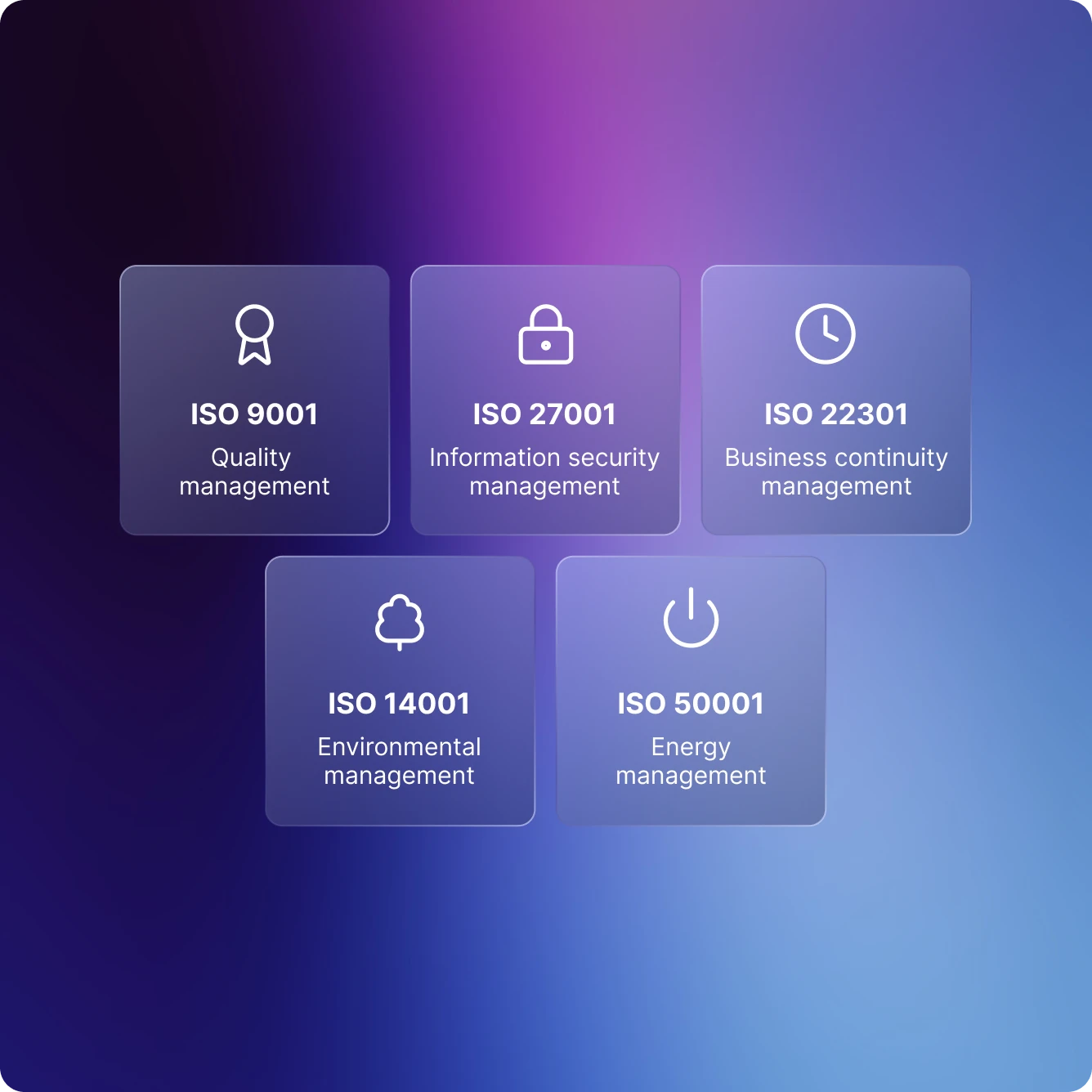
Our data centers operate under international certifications that guarantee quality, information security, business continuity, environmental management, and energy efficiency. This includes ISO 9001, ISO 27001, ISO 22301, ISO 14001, and ISO 50001, reflecting an environment built for highly reliable, protected, and resilient cloud services.
Infrastructure components

Servers
Storage

Networking


Networking architecture

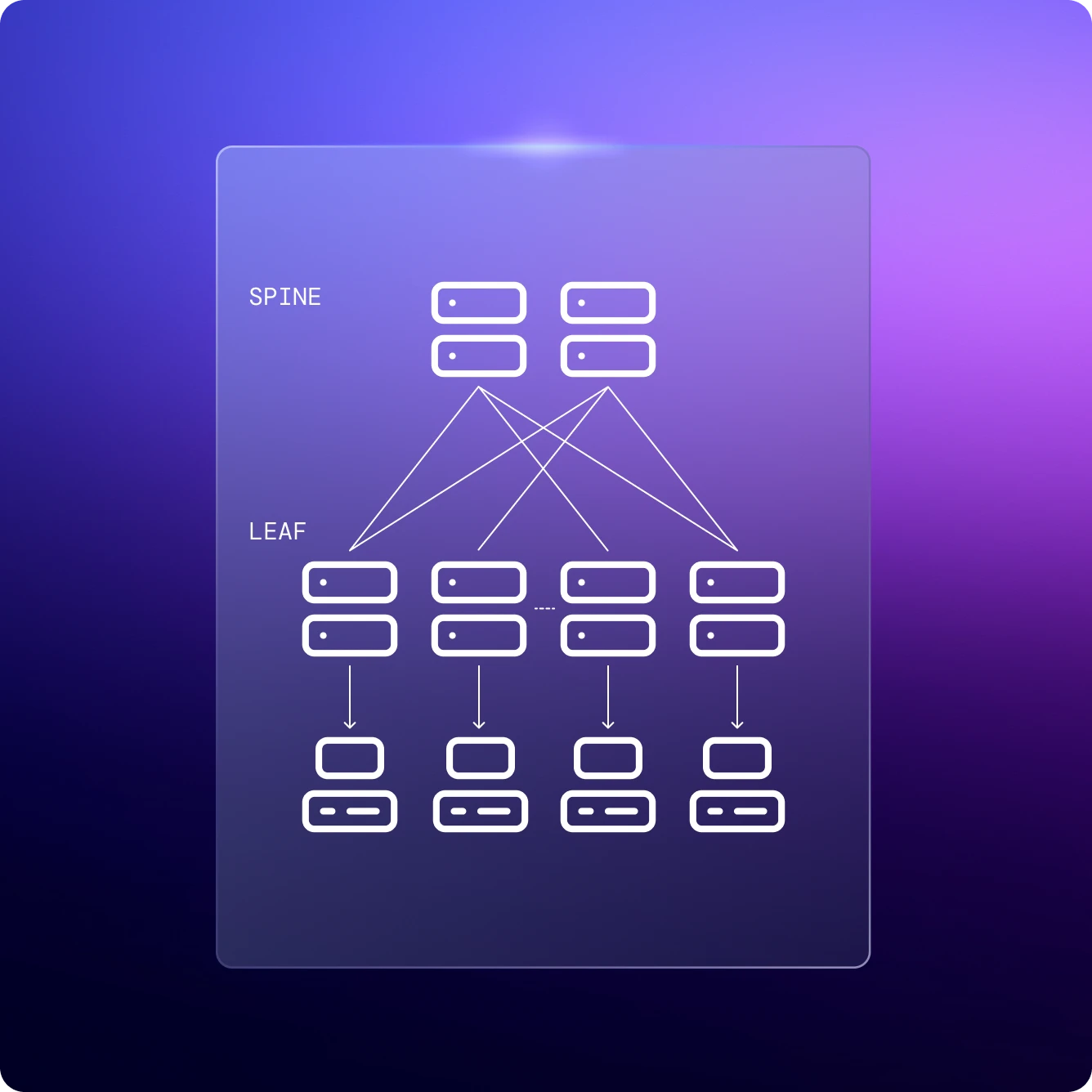
The LAN infrastructure is built on a spine-and-leaf architecture that provides multiple connection paths and eliminates single points of failure, creating a resilient network capable of absorbing incidents and automatically rerouting traffic to ensure continuous, uninterrupted service.
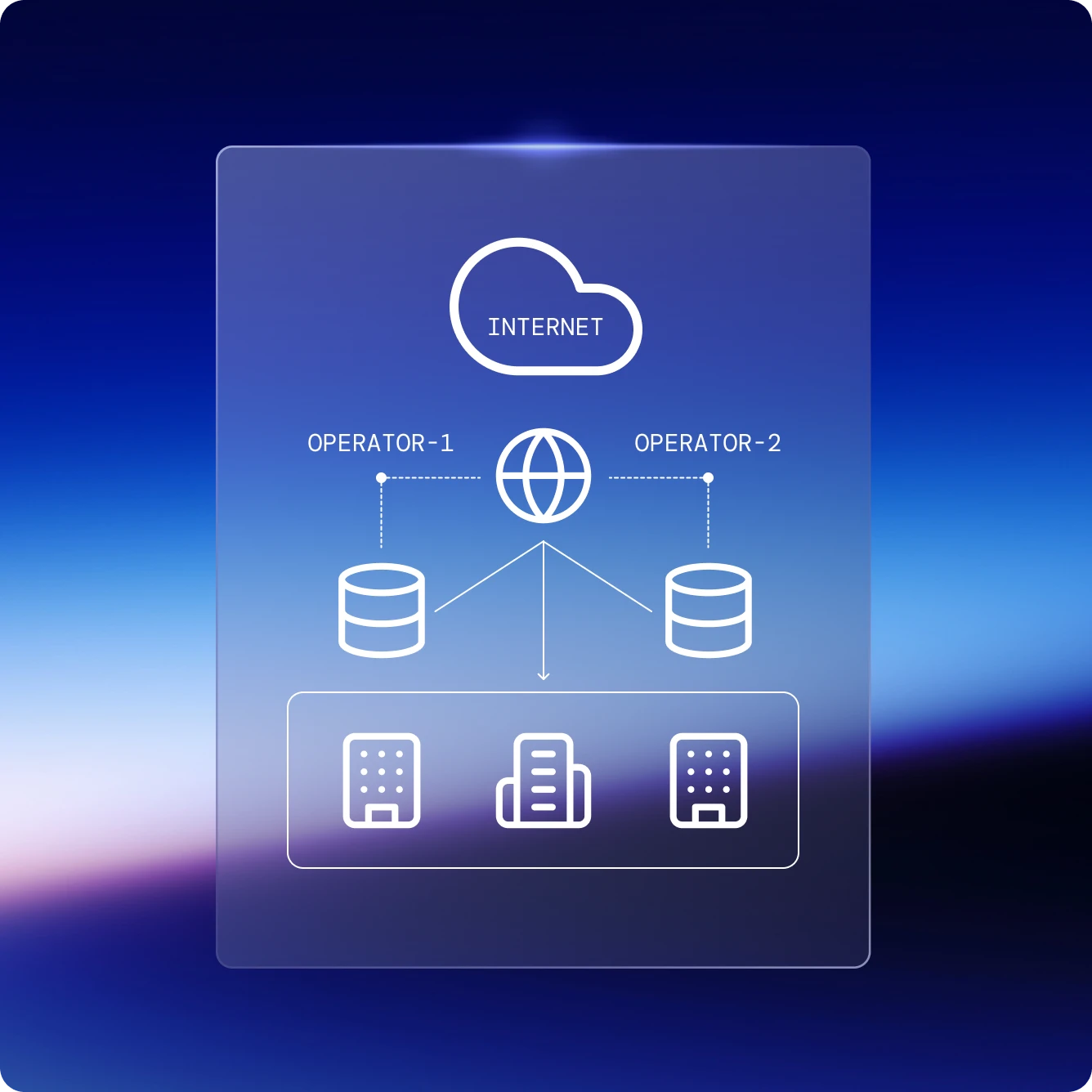
Our WAN links our local infrastructure with global locations, using multiple carriers and redundant paths to ensure secure, always-on communication. Strategic internet exchanges improve traffic flow, reduce latency, and deliver fast, reliable connectivity for partners and customers.
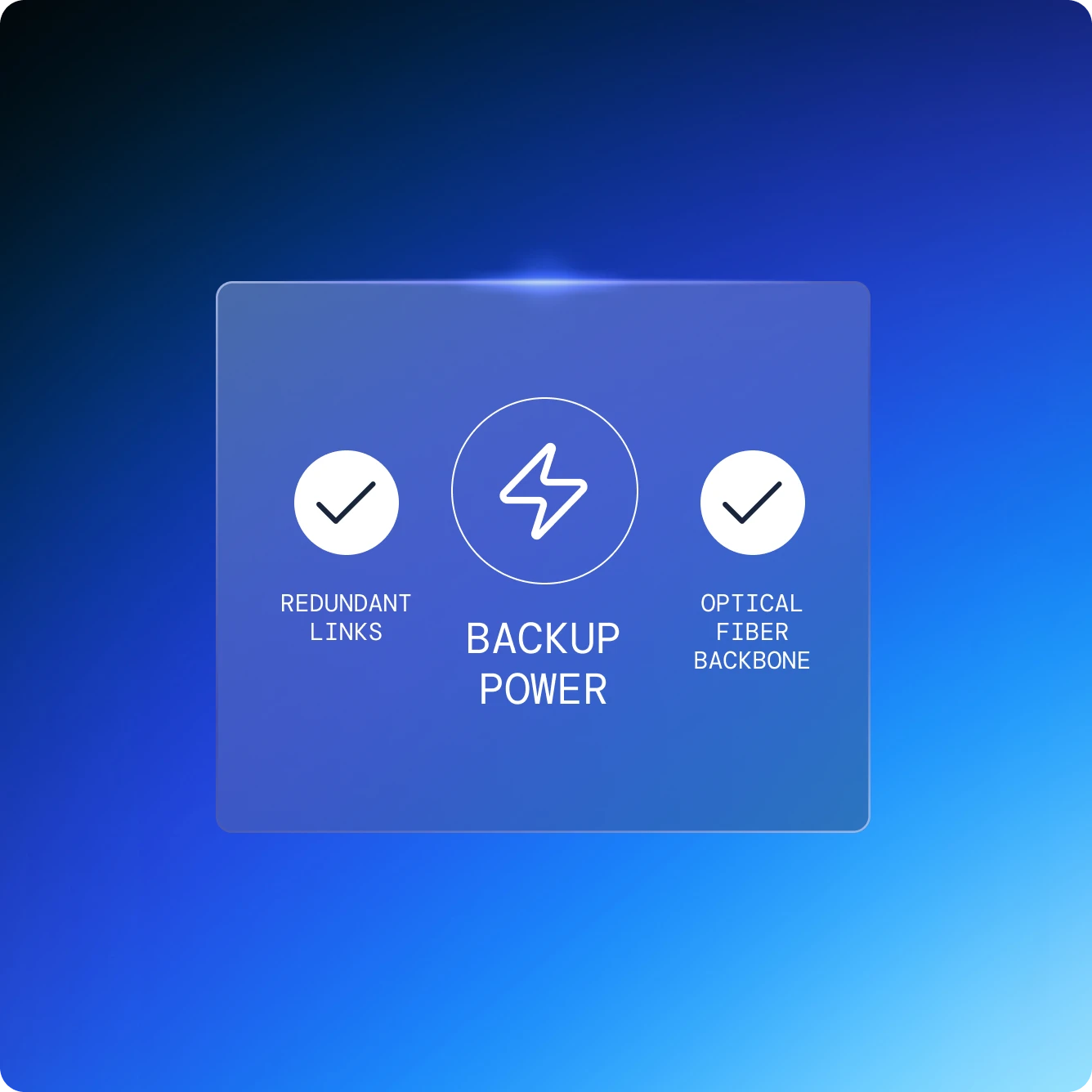
Plenit’s network infrastructure is built with multilayer redundancy, including alternate links, backup power, and a fiber backbone. This design ensures continuous service access and strengthens operational continuity even when individual components face issues..
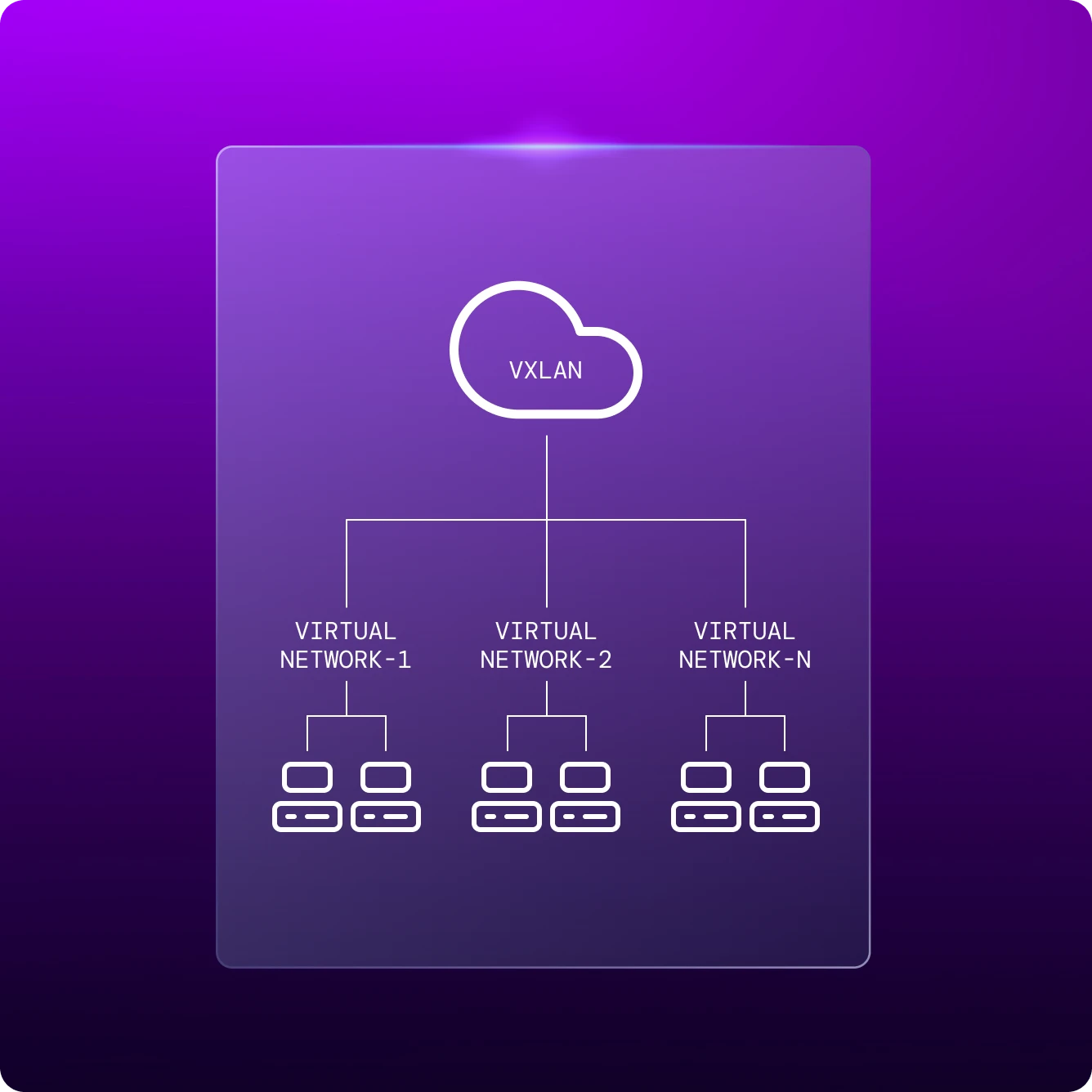
To meet evolving partner needs, we use virtualized networking technologies like VXLAN, enabling flexible, scalable logical networks that quickly adapt to new demands and deliver fast, efficient resource provisioning.
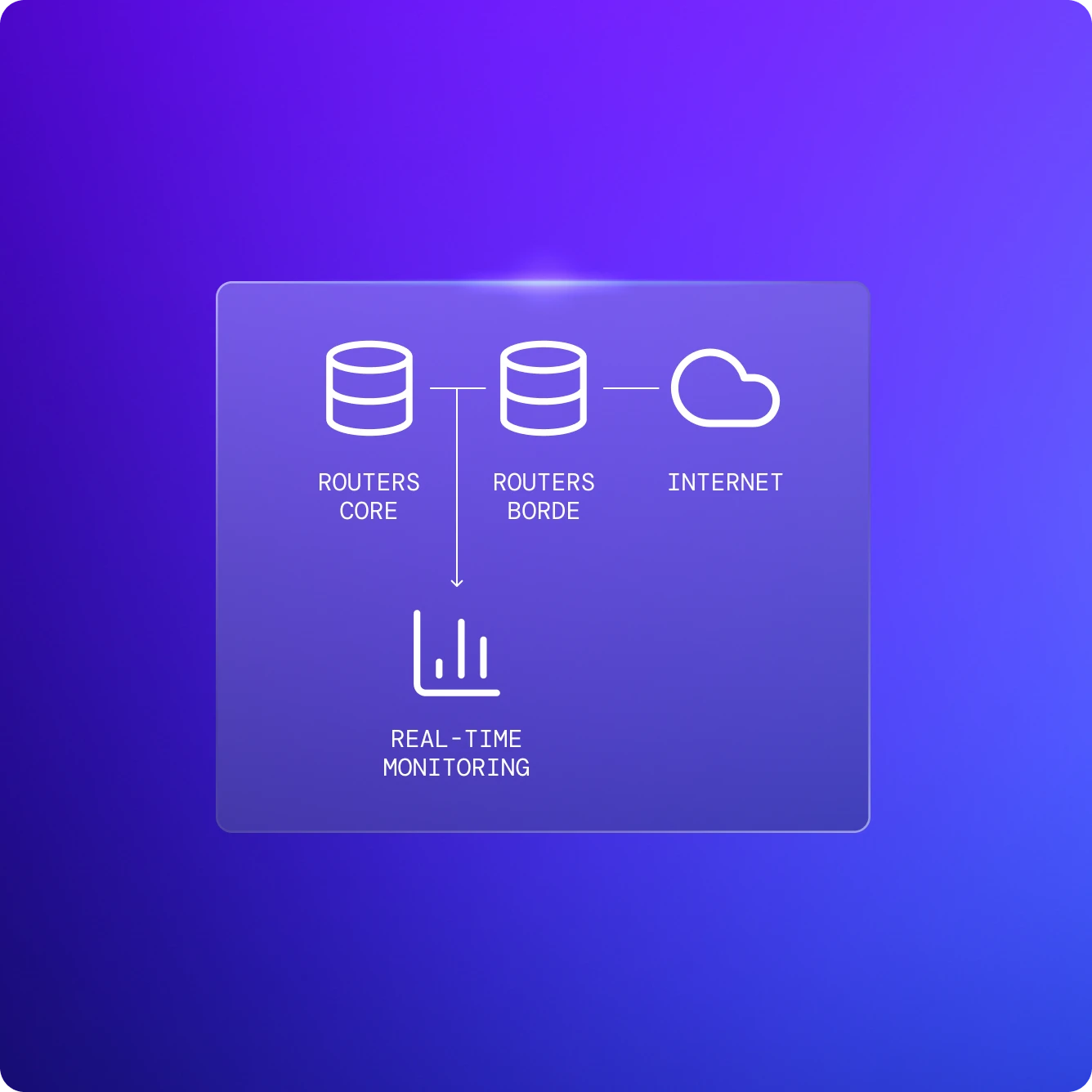
Our routing model blends core and edge routers to manage heavy traffic efficiently, supported by real-time monitoring that detects issues early and ensures a secure, flexible, high-performance network that scales with our partners.
Servers features
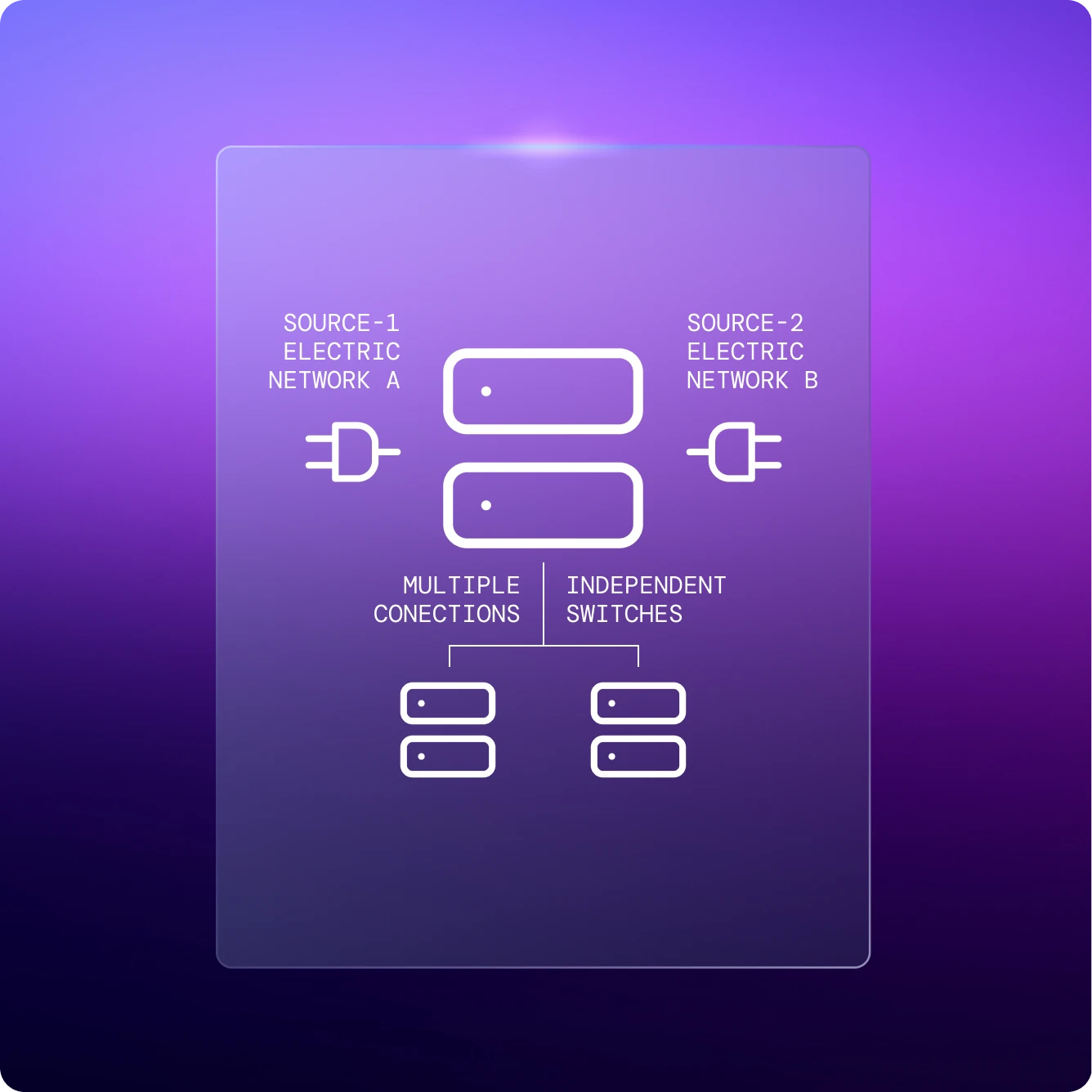
The server infrastructure uses cluster-level redundancy to keep services operational even if a component fails. Each host has dual power supplies connected to separate electrical feeds, protecting against outages. Systems also use high-availability LAG network links across independent switches to ensure service continuity if any switch fails.
Our server performance is powered by next-generation Intel CPUs, optimized to handle complex workloads with maximum efficiency. This technology delivers high performance, low latency, and advanced compute capacity, ensuring every process and application runs smoothly, consistently, and without interruptions, even under demanding enterprise conditions and sustained operational loads.

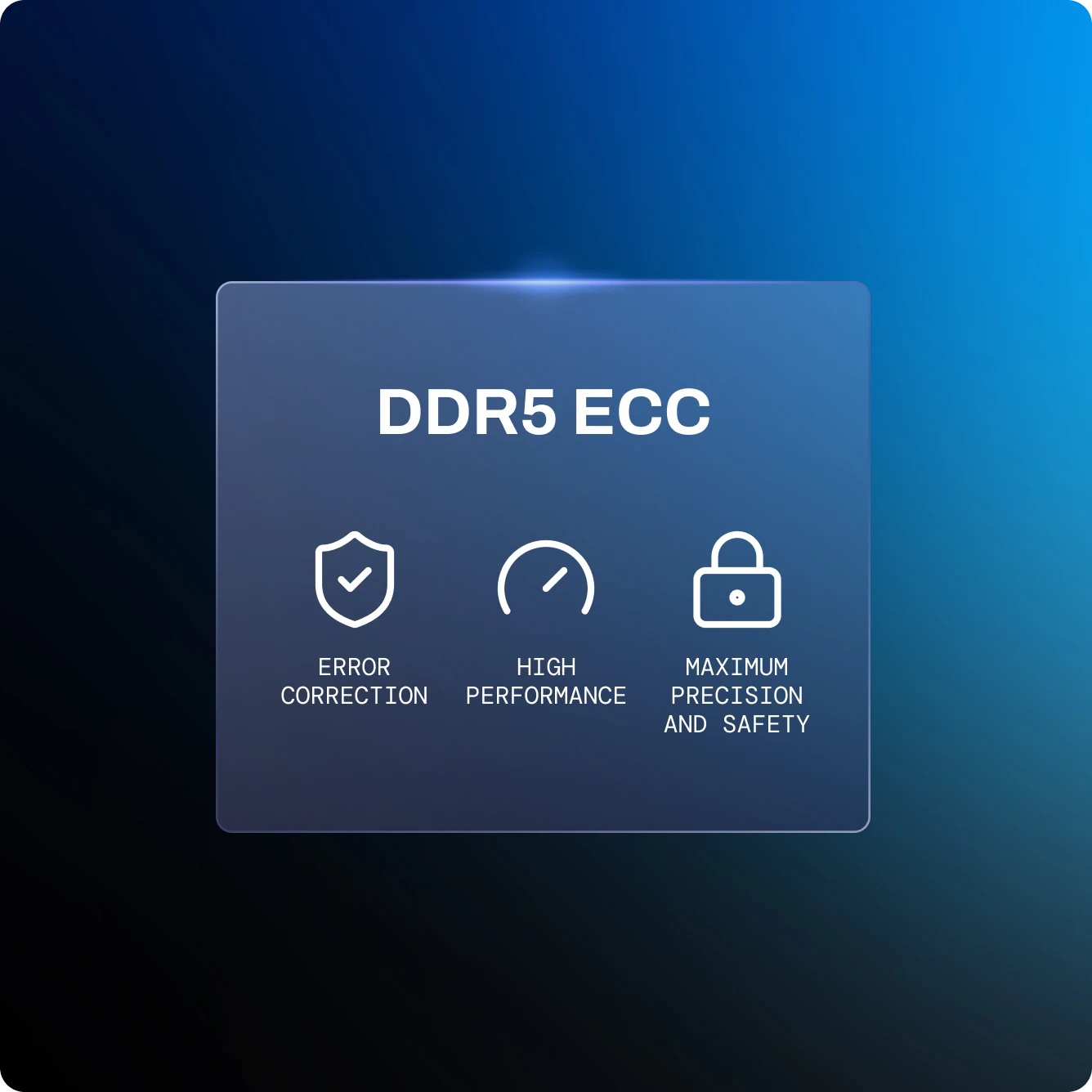
Our servers use next-generation DDR5 ECC (Error-Correcting Code) memory, improving performance, energy efficiency, and error correction. This technology protects against data corruption and delivers a more stable, reliable environment, ensuring every operation runs with higher precision, reduced risk of incidents, and stronger overall system security.
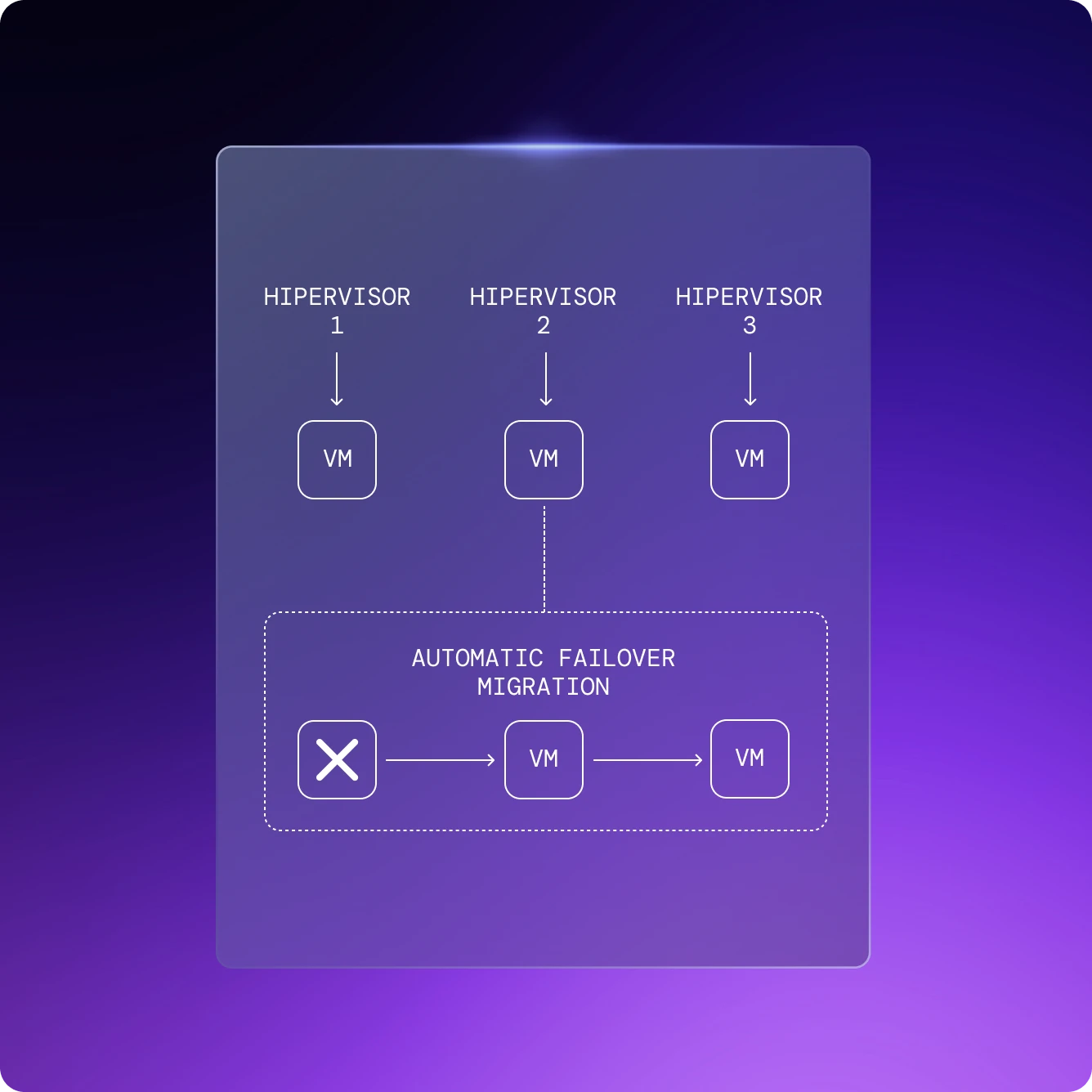
The infrastructure is designed to deliver a continuous, uninterrupted experience. We use fully redundant hypervisors, so if one fails, virtual machines automatically migrate and restart on other active hosts. This approach maintains service availability and minimizes operational impact on our partners’ environments at all times.
Storage features
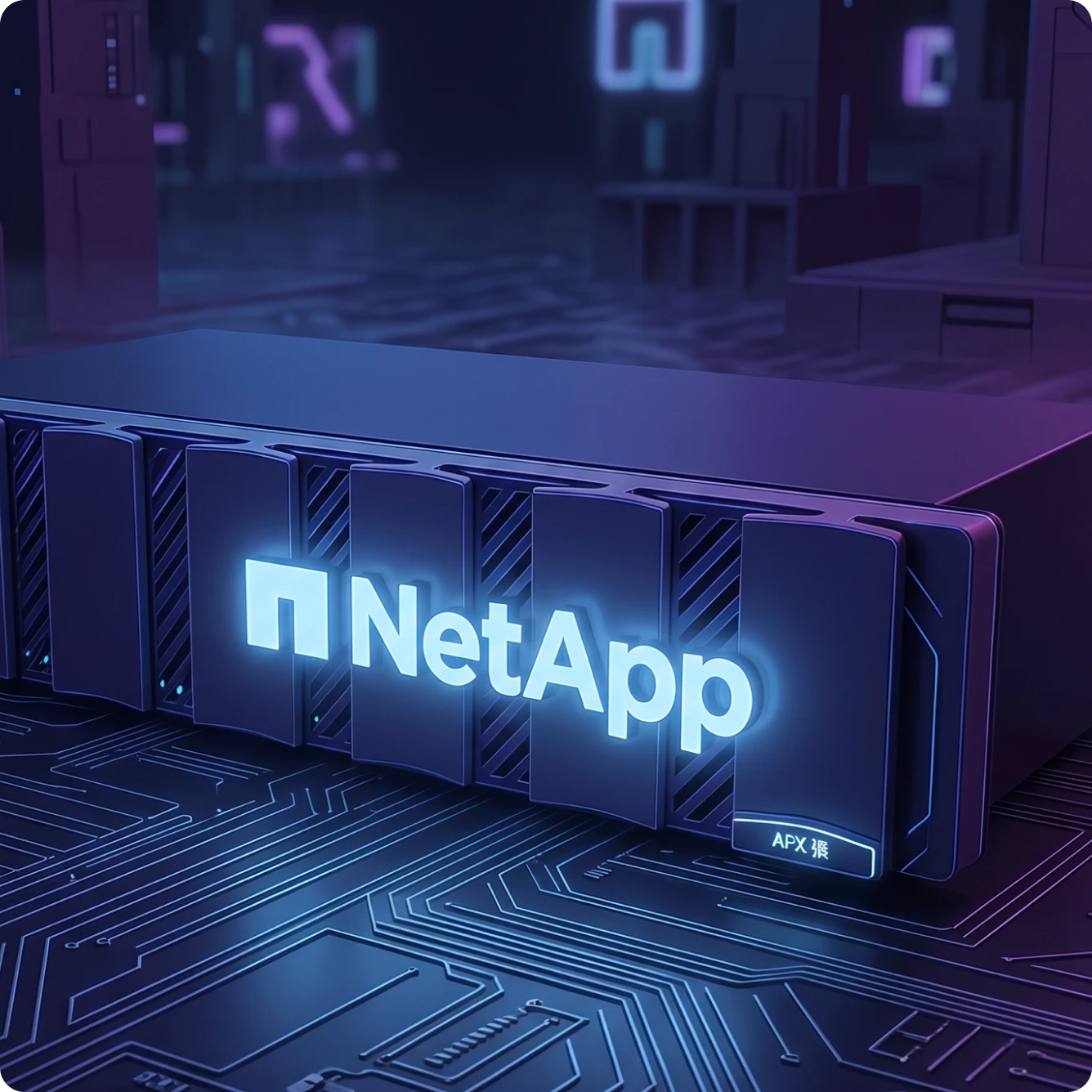
NetApp All-Flash Technology delivers high-performance, low-latency storage using NVMe and SSD-based systems. It ensures fast data access, strong reliability, and efficient scalability for enterprise workloads, supporting critical applications with consistent performance, advanced data management, and built-in protection features.
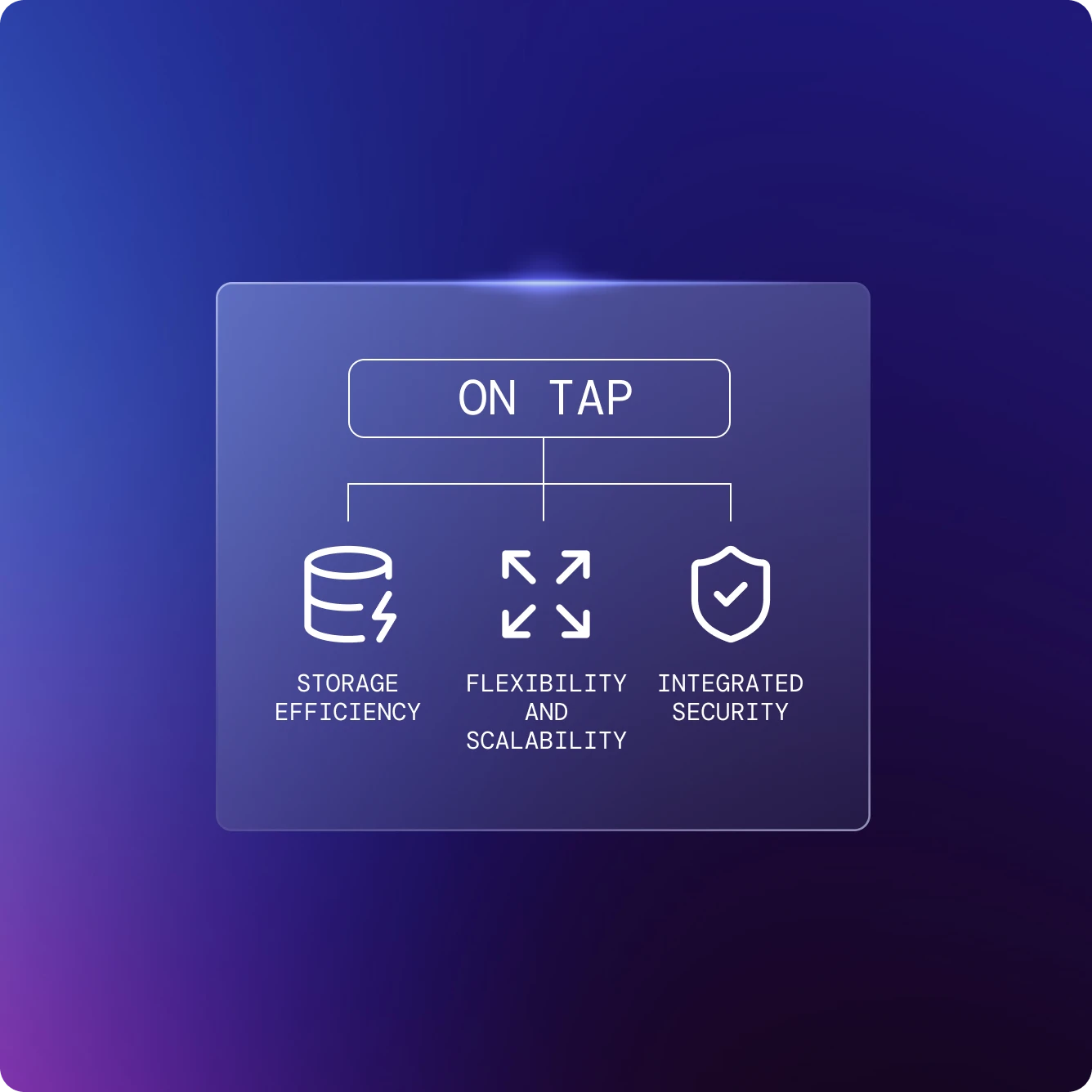
NetApp ONTAP is the core of our data management. This unified platform delivers key advantages for daily operations and evolving environments:
Storage efficiency. Features like deduplication, compression, and compaction optimize space usage, enabling more data to be stored with greater efficiency.
Flexibility and scalability. ONTAP simplifies data management and mobility, making it easy to move and replicate information across platforms efficiently.
Built-in security. The platform includes advanced security capabilities to protect data from unauthorized access and external threats.
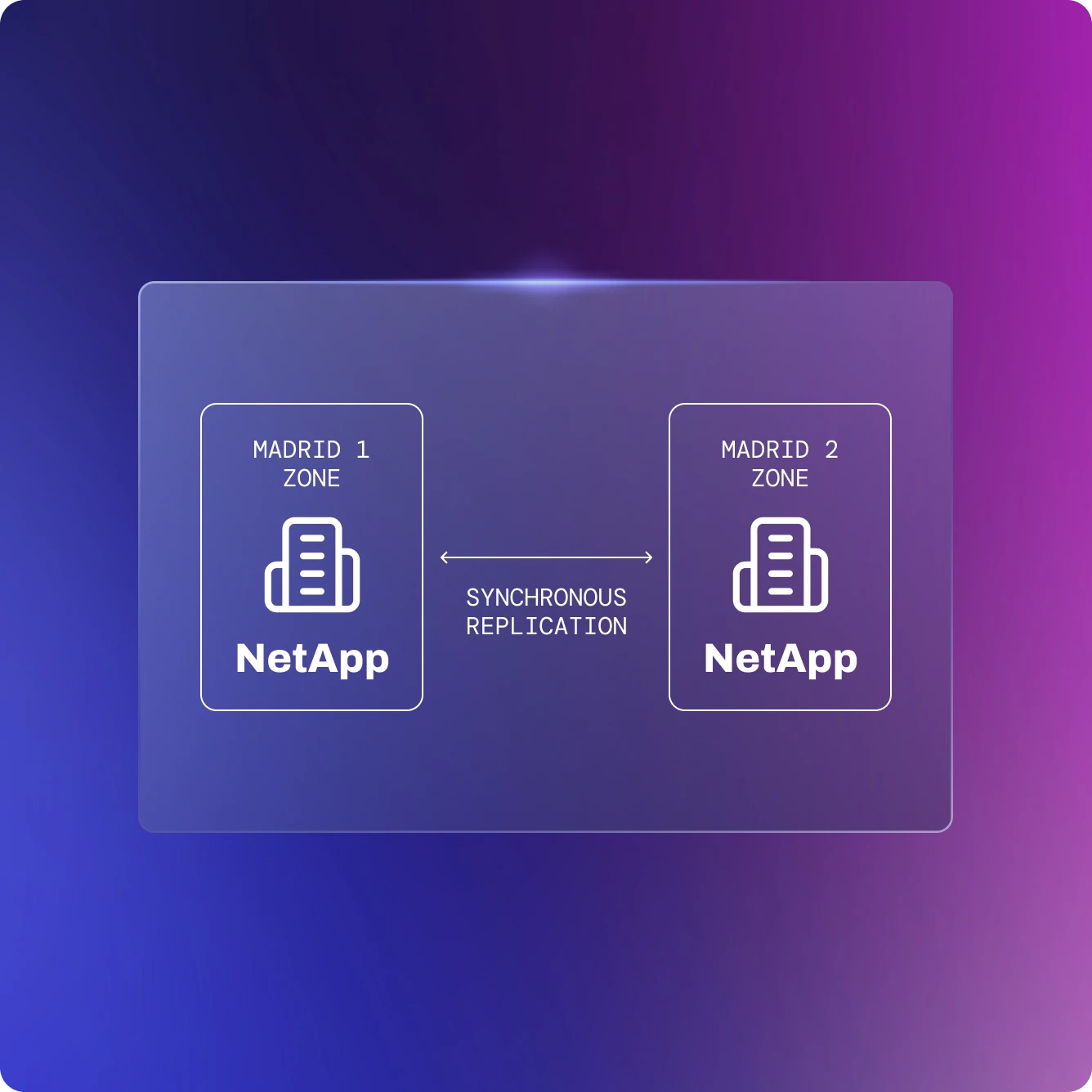
To enhance data availability and protection, we implement replication strategies to NetApp FAS or StorageGRID systems located across different geographic regions.
This geographic distribution ensures data remains accessible from alternative locations in the event of an incident, reducing the risk of data loss and strengthening overall business continuity.
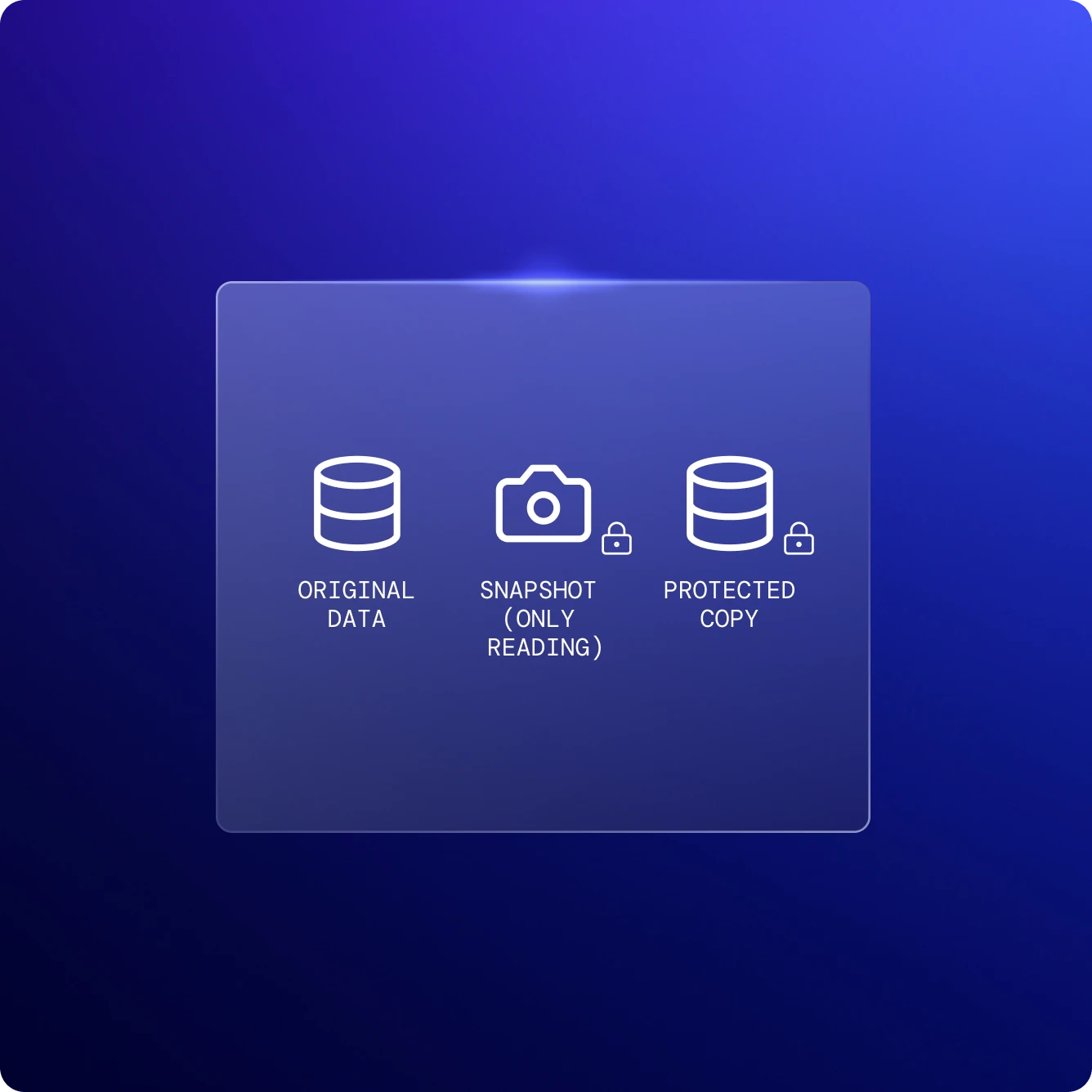
Data protection is a top priority at Plenit. NetApp storage technology includes built-in defenses against threats such as ransomware.
With Snapshot, read-only copies are created that cannot be altered by malicious software, enabling fast recovery after incidents. In addition, tools like FPolicy monitor and block suspicious activity in real time, adding an extra layer of protection against unauthorized access and abnormal behavior.